Start with delivery terms

Incoterms Decide Who Pays What

Learn which costs, risks, and customs duties fall on you or your supplier before you agree to a price.

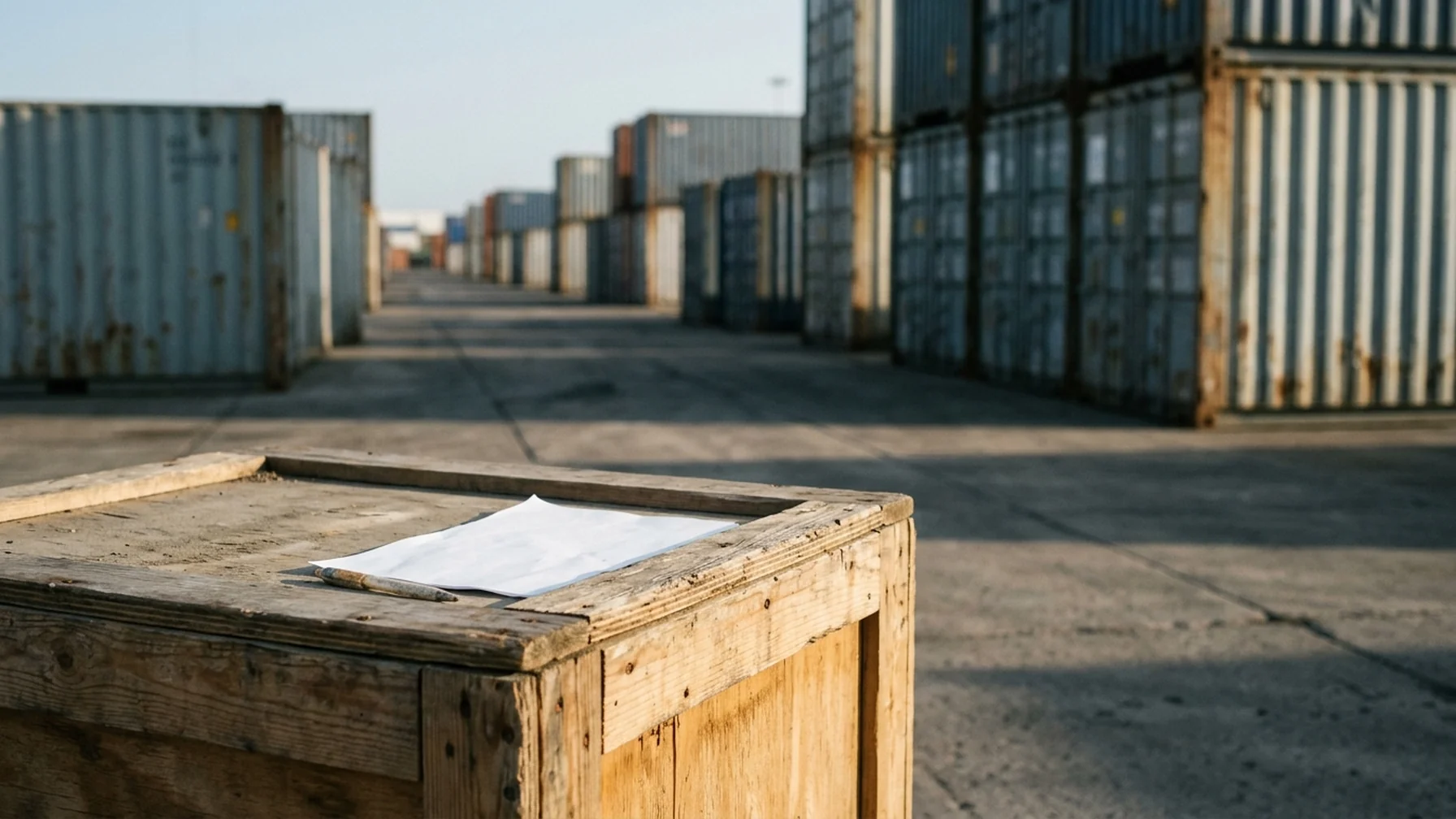
Shipping containers stacked at a port terminal, with a clipboard of import paperwork resting on a wooden crate in the foreground

What the guide covers

Practical explanations of the paperwork, terms and payments that decide whether an import shipment clears on time and at the cost you planned.

01

Incoterms and delivery terms

Work out where your responsibility starts and stops: who books the freight, who insures the cargo, and at which point the goods become yours. Each rule is explained with the cost and risk it shifts to the buyer.

Read Incoterms guides

Shipping documents and a printed contract on a warehouse desk beside a packed pallet, with daylight from a high window

02

Customs clearance and duties

See how a tariff code, country of origin and declared value feed into the duty you owe, and what a customs broker needs from you before the container arrives. Covers the common reasons entries get held.

Read customs clearance guides
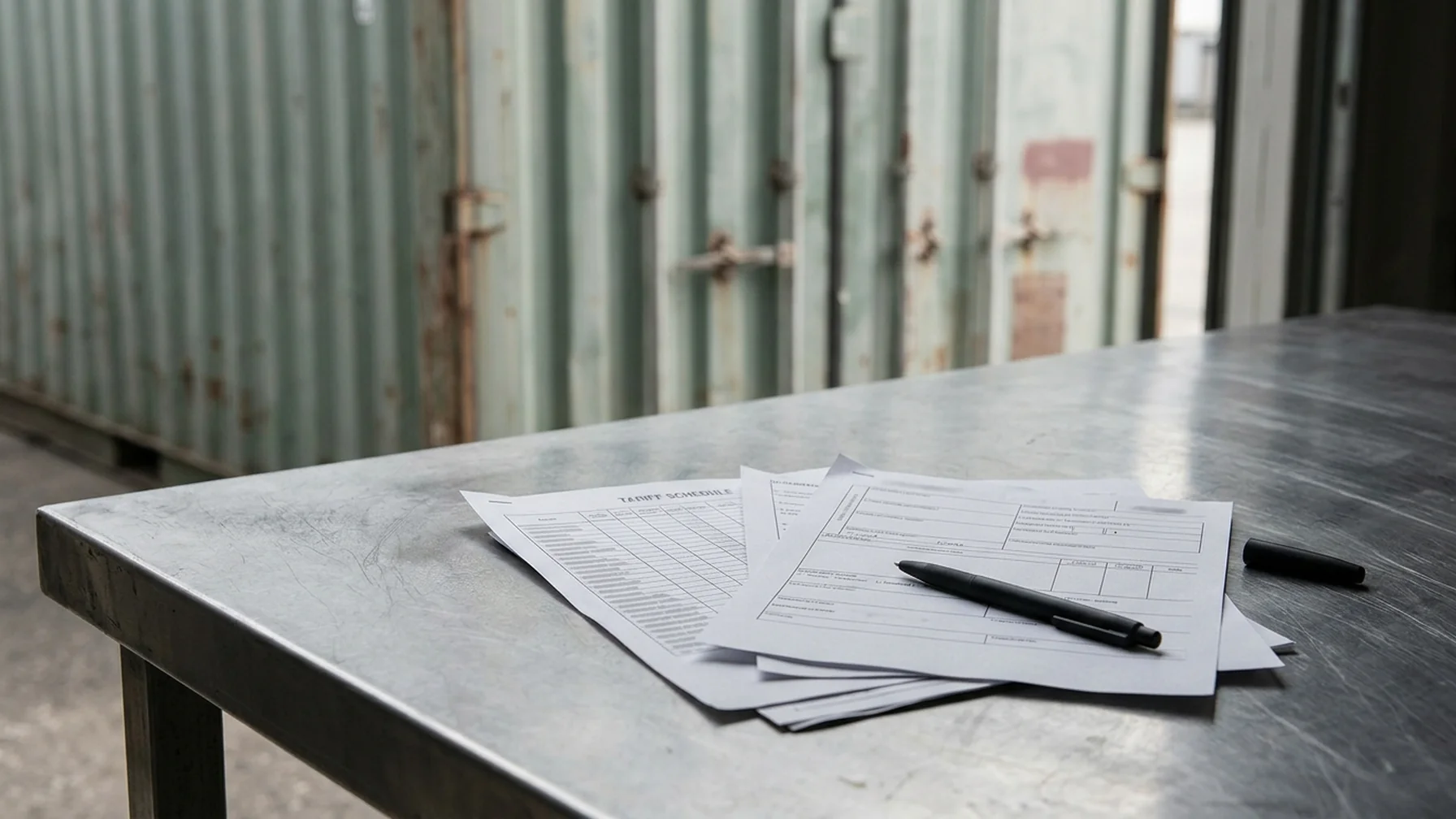
Customs declaration forms and a tariff schedule fanned out next to a shipping container door at a port

03

Documents, compliance and supplier payment

Match the commercial invoice, packing list and bill of lading so they agree line for line, then choose payment terms that limit your exposure before goods ship. Explains letters of credit, deposits and open account in plain terms.

Read documentation and payment guides
A commercial invoice, packing list and bill of lading stacked with a bank payment instruction on an office desk
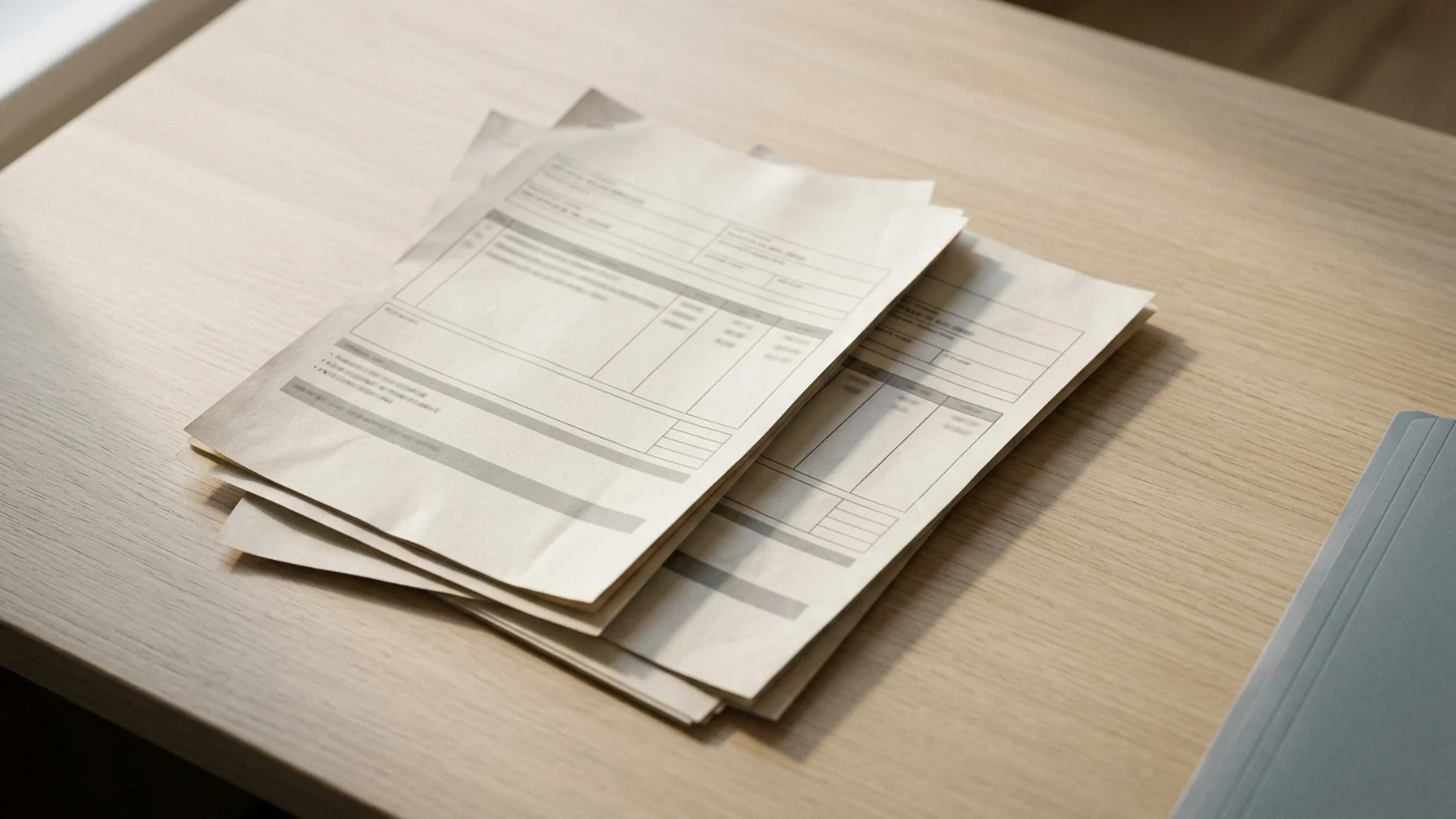
Shipping documents and a printed Incoterms chart on a desk beside a container yard window, with a pen resting on a freight quote

Incoterms and delivery terms

Who pays freight and who bears the risk

The three-letter term on your quote decides where your cost and liability start and stop, so read it before you compare supplier prices.

  • FOB, CIF and DAP put the handover point in different places, which changes who books the main carriage
  • Insurance is only compulsory under CIF and CIP, and the required cover is minimum, not full
  • The named place matters as much as the term: FOB Shanghai is not FOB any port
Read the Incoterms guides

Incoterms decide who pays and who carries risk

Each three-letter rule fixes where the seller's cost and risk end, so the choice changes your landed cost before freight is ever booked.

Two people at a wooden desk comparing a printed shipping quotation with a route map, a small container model and a pen resting on the papers

Pick the rule before you quote

The rule sets the handover point, so it decides whether your supplier or you pay for main carriage, insurance and unloading. Choose it at the quotation stage; switching after the order is placed usually means renegotiating price and responsibility.

Read Incoterms guides
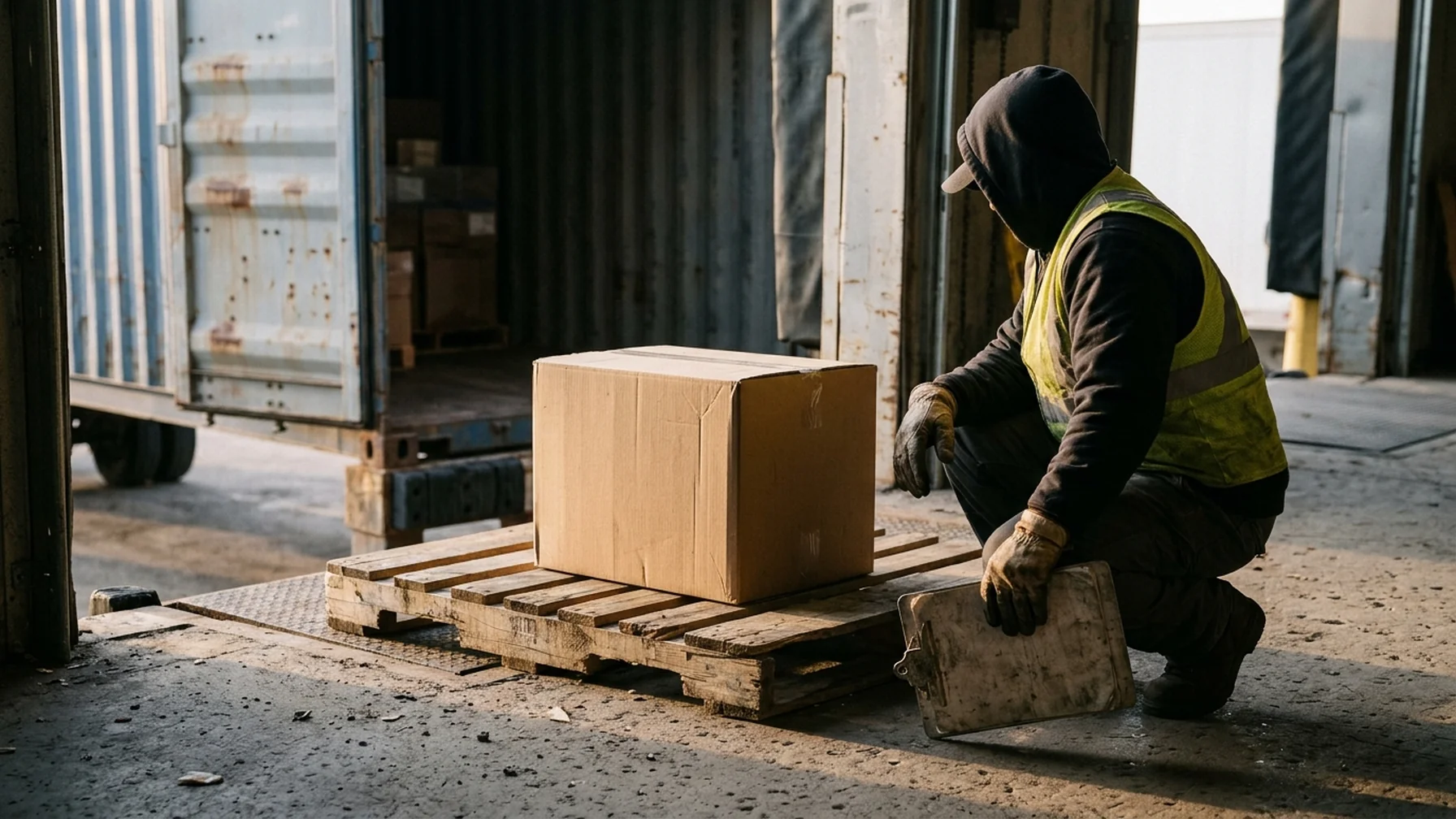
A dock worker checking a sealed carton on a pallet beside an open container door, clipboard in hand, morning light on the concrete

Know where risk transfers, not just cost

Cost and risk can split at different points under the same rule. Under C terms the seller pays main carriage, yet risk often passes to you when the goods are handed to the first carrier, which matters if cargo is damaged in transit.

Compare risk transfer points
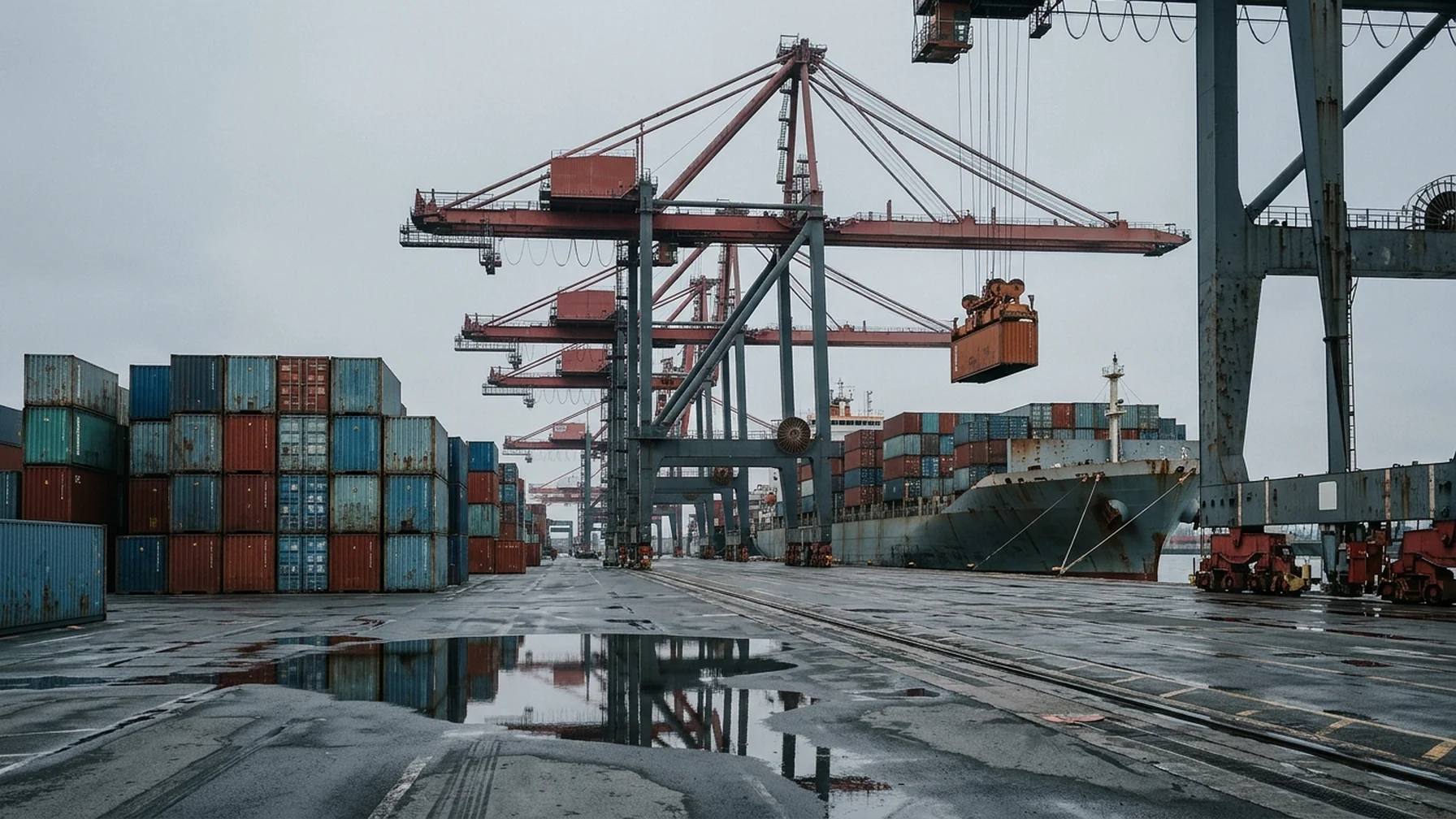
A container ship being loaded at a quayside with gantry cranes, stacked containers in the foreground and an overcast sky

Match the rule to your freight mode

Sea freight, air and road shipments do not carry the same set of rules. Rules written for waterborne carriage do not fit containerised door-to-door moves, and using them can leave a gap in who arranges and pays for inland legs.

Match rules to freight modes

Customs clearance and duties

Duty is set by tariff code, not by the invoice

The HS classification you declare determines the duty rate, and a wrong code can trigger penalties or delayed release even when the goods and paperwork are otherwise correct.

Read the customs clearance articles

Free email updates

Get new importing guides by email

One email when a new guide on Incoterms, customs clearance, import documents or supplier payments is published.

We use your address only to send new guides. Unsubscribe from any email. Read how we handle data on our contact page.